Projects

CLARS — Climate migration across lake regions
An international research program examining climate-related migration and urban change across the Lake Victoria Basin and North American Great Lakes. The lab leads work on urban migration modeling and contributes to climate knowledge exchange.
GLISA
Research and engagement connecting climate science with communities and decision-makers across the Great Lakes, with emphasis on actionable climate knowledge, flood resilience, and climate migration.
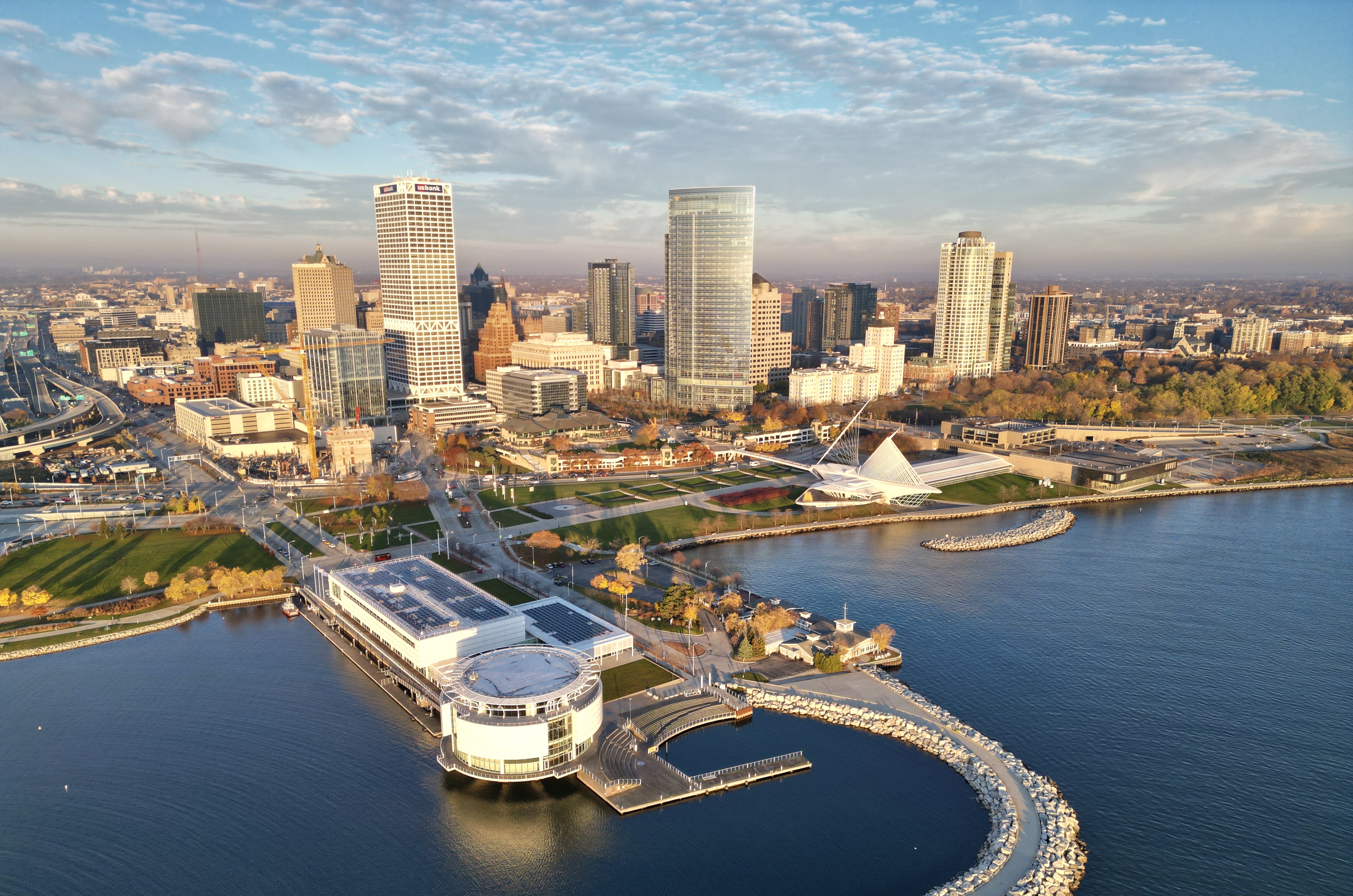
CHIRRP / PUMP-COR
Community-centered flood planning integrating climate and hydrologic modeling with participatory GIS and scenario-planning approaches in Great Lakes communities.
PIVOT
A modular web-based platform for mapping local knowledge, comparing priorities, exploring scenarios, and linking community input to environmental and urban models.
V2V-AI
Research with City of Detroit partners on scalable assessment of residential conditions using street-level imagery, UrbanWORM, computer vision, and vision-language models, with attention to governance and responsible use.
Landscape perception & conservation
Research on human–nature relationships using social media, ecological information, visual perception, and spatial data — including wildlife communication, cultural ecosystem services, recreation, and urban forests.
How we work
Across projects, we emphasize open and reproducible methods, co-production with end users, and visual tools that make uncertainty and tradeoffs legible. Many projects combine large-scale computational analysis with place-based engagement rather than treating them as separate research activities.